
NIS2 compliance and multilingual documentation

In our article, we explore why NIS2 compliance is not only a matter of cybersecurity controls, but also of legal and terminological consistency across languages. For cross-border organisations, multilingual documentation plays a direct role in incident reporting, internal alignment, regulatory defensibility and risk management.
Cybersecurity regulation and legal language

The EU is currently accelerating its cybersecurity agenda with instruments like the NIS2 Directive (Directive (EU) 2022/2555) and the Cyber Resilience Act (Regulation (EU) 2024/2847).
Translation as Evidentiary Infrastructure

Translation in cross-border disputes does more than make evidence readable. It shapes what a court or tribunal recognises as “the facts”. From EU consumer claims to investment arbitration, every terminological choice can influence admissibility, liability and even access to justice itself. In our latest article, Translation as Evidentiary Infrastructure, we explore why multilingual legal proceedings require more than linguistic accuracy: they require a clear understanding of how translation actively constructs legal reality.
Language and compliance in the EU digital regulatory framework
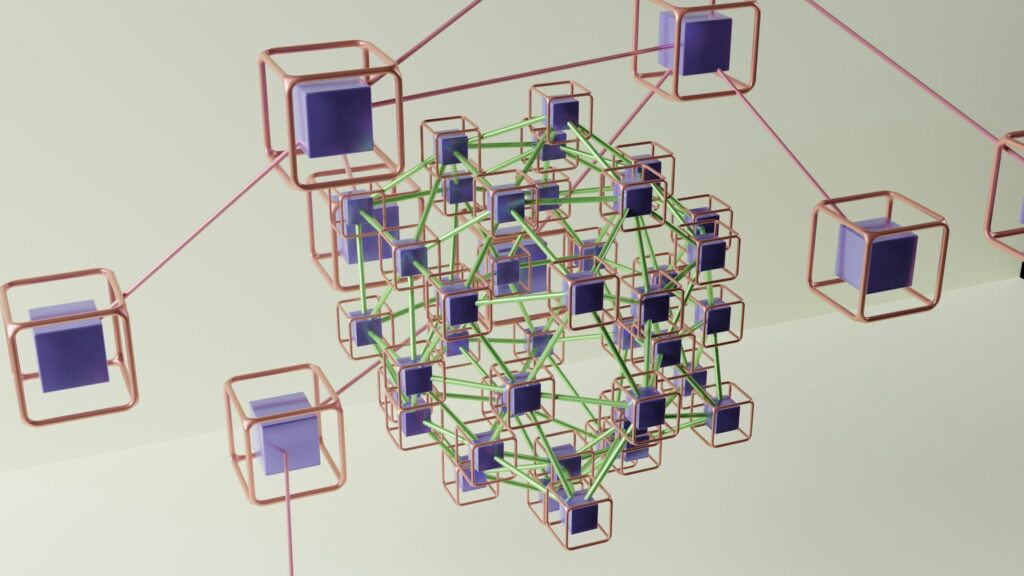
The EU’s new digital regulations set out obligations that affect how technology companies operating in the Union handle language, documentation, and compliance.
Medida cautelar / Medidas cautelares
The Spanish legal terms medida cautelar and medidas cautelares are notoriously tricky to render into English as there is no single, system-neutral equivalent.
Súmula vinculante

Untranslatables
Findings of the WMT 2024 Shared Task on Chat Translation

New findings from the WMT Chat Translation Shared Task show how AI performs in real-time, bilingual customer-support chats. The evaluation — combining neural metrics, MQM-based LLM analysis, and human reviewers — highlights progress yet clear limitations. A timely reminder that expert human judgement remains essential for meaning-preserving translation.
GPT-4 vs. Human Translators: A Comprehensive Evaluation of Translation Quality Across Languages, Domains, and Expertise Levels

A recent peer-reviewed study has offered one of the most rigorous comparisons to date between state-of-the-art machine translation and LLM engines and human translations across languages, domains, and expertise levels. Its findings highlight both the strengths and persistent limitations of AI-based translation and machine translation.